

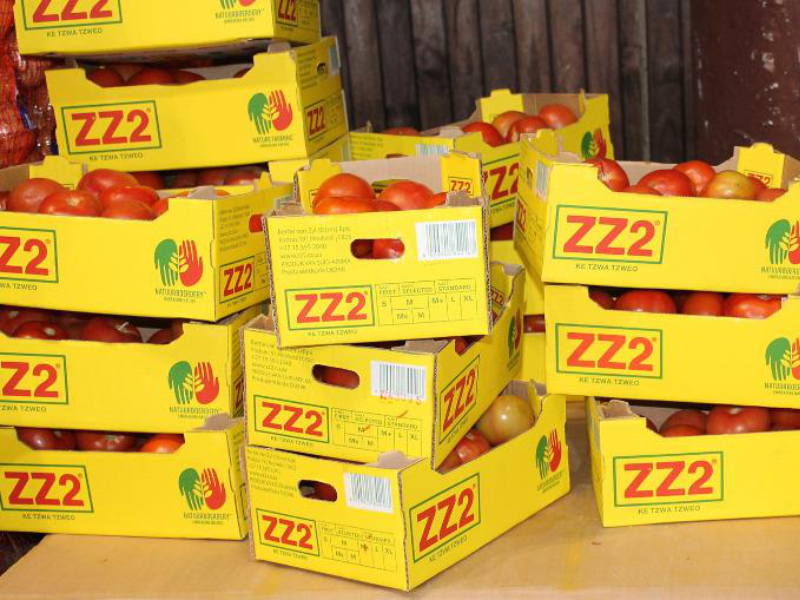
In a decisive move to bolster its food security and reduce dependence on foreign produce, Botswana has announced the extension and expansion of restrictions on imports of several fresh agricultural products, a decision that has sparked tensions with neighbouring South Africa. The ban, initially set to expire at the end of this December, will now be in effect until the close of 2025, according to the Ministry of Agriculture.
The affected items, including staples such as tomatoes, potatoes, onions, and more, will see their import prohibition doubled from the current 16 to a total of 32 starting in July of next year. This expansion comes as part of Botswana's ambitious plan to stimulate domestic agricultural production and protect local farmers from the influx of cheaper South African imports.
The decision, while celebrated by Botswana's leadership as a stride toward self-sufficiency, has raised concerns and objections from South African farmers, who argue that the ban violates the Southern Africa Customs Union agreement. The move is anticipated to have significant implications for both countries, with Botswana pushing for the protection of its fledgling agricultural sector and South Africa grappling with a reduction in a crucial export market.
Botswana, a nation perennially grappling with drought, has a relatively small agricultural sector, accounting for approximately 5% of its economic output. The country heavily relies on South Africa, which historically supplied about 80% of Botswana's food. The ban, implemented in January 2022 and initially set for two years, has already had a substantial impact on the import dynamics between the two nations.
In a recent State of the Nation address, President Mokgweetsi Masisi highlighted the positive effects of the import ban, citing a remarkable 71% reduction in the country's fresh-produce import bill. The president underlined the importance of protecting nascent industries and fostering local agricultural development, emphasizing the ban's role in giving a competitive edge to Botswana's struggling farmers.
However, South African farmers have strongly contested Botswana's decision, arguing that it not only violates established trade agreements but also places a strain on the longstanding economic ties between the two nations. The Southern Africa Customs Union, which includes Botswana, South Africa, Lesotho, Eswatini, and Namibia, is designed to facilitate tariff-free trade and economic cooperation among its members.
The extended ban, now set to run until the end of 2025, aims to provide local farmers with a grace period until July of next year, allowing them to bolster production and meet the rising demand for domestically grown produce. This grace period seeks to strike a balance between the immediate need for self-sufficiency and the necessity of ensuring a smooth transition for both nations.
The ongoing trade dispute underscores the complexities of balancing national self-interest with regional economic partnerships. Botswana's pursuit of food security and economic autonomy faces scrutiny and resistance from its regional counterparts, especially as South African farmers grapple with the impact on their livelihoods.
As the ban takes a firmer grip on the import landscape, the diplomatic and economic repercussions are likely to reverberate across the region. Botswana's gamble for self-sufficiency comes at a cost, and how this decision will shape the future dynamics of Southern African trade remains uncertain.
As both nations navigate the intricacies of international trade agreements and their domestic economic priorities, the consequences of this agricultural trade dispute will undoubtedly unfold in the months and years ahead.